A bezel can track elapsed time, provide a time-zone scale or help calculate average speed. Its numbers become useful once you know which hand and measurement they belong to.
Around a watch dial, you might find 10–20–30, a 24-hour scale or descending numbers from 400 to 60. These markings occupy similar positions but serve different purposes. Turning the bezel is not always the right first step: some are designed to remain fixed.
A bezel surrounds the front crystal. Depending on the design, it can carry a timing, time-zone or speed scale, or primarily shape the appearance of the timepiece. Start with three questions: what does the scale measure, does it rotate, and which hand belongs with it?
A 60-minute bezel records a starting point
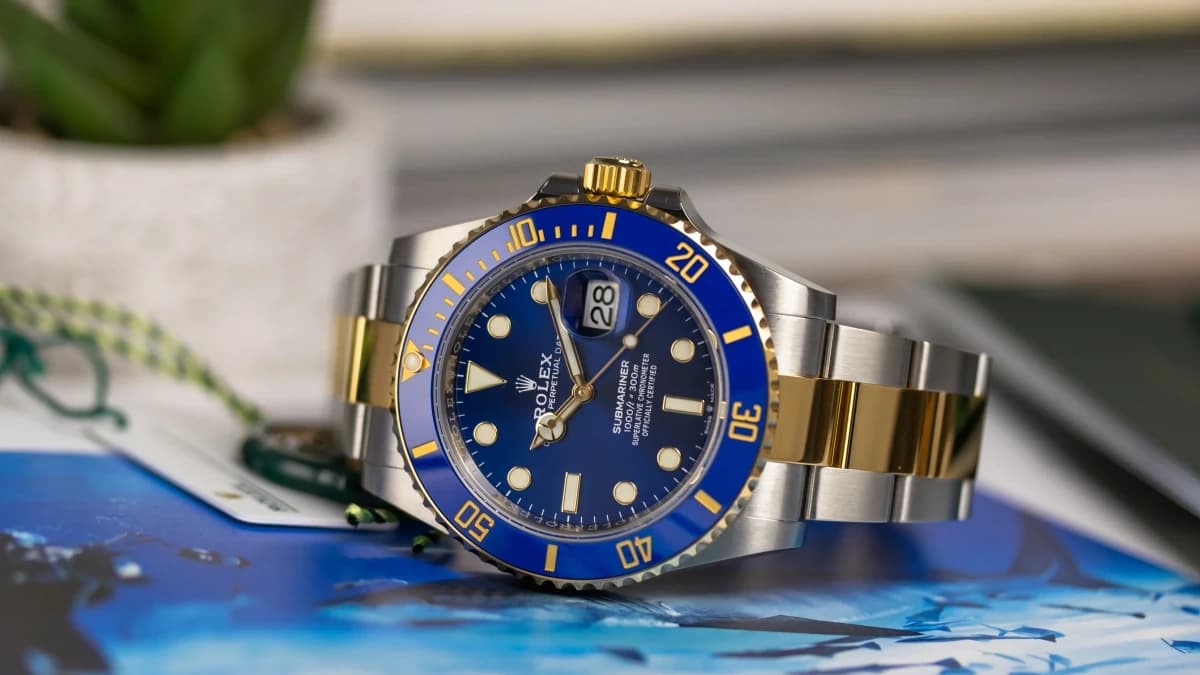
The Rolex Submariner 124060 has a unidirectional bezel graduated for 60 minutes. Align its zero marker with the minute hand at the start, then read elapsed minutes against the bezel as the hand advances.
For example, align the triangle at 10:12. At 10:32, the minute hand points to approximately 20 on the repositioned scale. You have tracked 20 minutes without changing the displayed time. This is an everyday timing example, not a dive-planning procedure.
The bezel provides no alarm and does not stop the hand when an interval ends. After a complete hour, the hand's position alone cannot tell you how many hours have elapsed. You still need to retain that context.
Why limit rotation to one direction?
On the conventional elapsed-time diving arrangement, restricting rotation reduces the risk of an accidental movement producing a shorter elapsed-time reading. Omega describes the purpose of a unidirectional bezel in terms of avoiding an incorrect direction of adjustment when tracking time.
That is a design purpose rather than a guarantee for every situation. You still need to know the bezel's position and how far it has moved. A minute scale also does not establish the water resistance or functional condition of the complete timepiece.
On land, it can mark the start of a walk or a focused work session. If you need a notification when time expires, an alarm provides something the bezel does not.
A 24-hour bezel reads a time of day
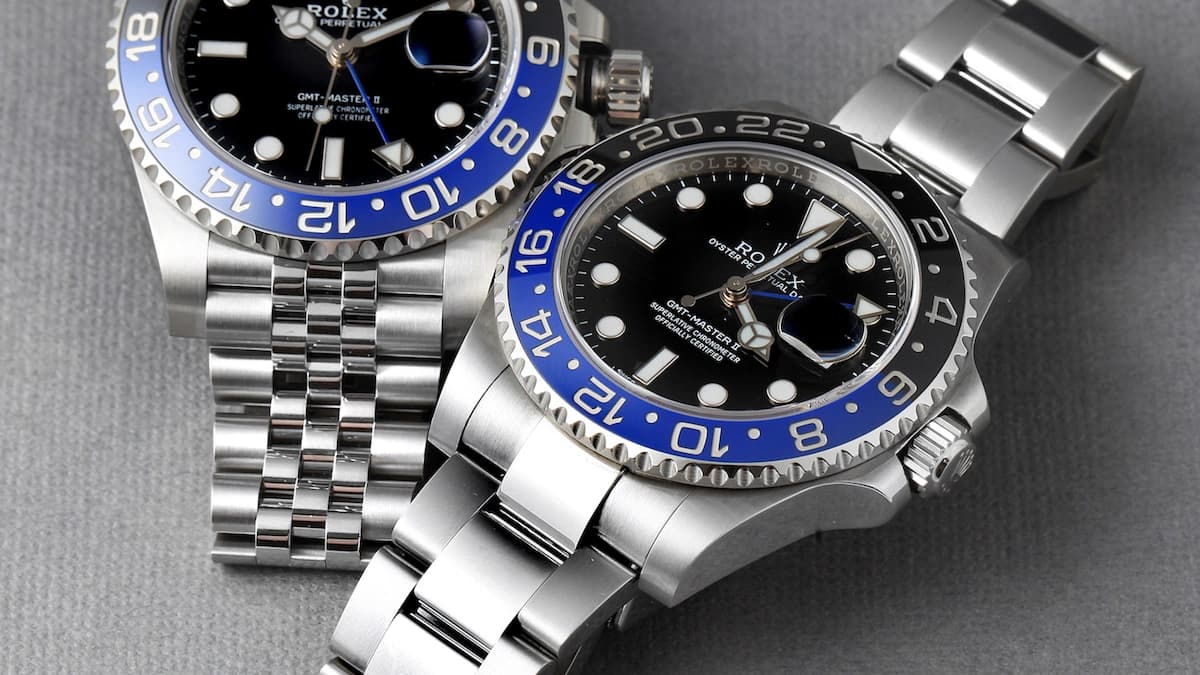
The GMT-Master II pairs a bidirectional 24-hour bezel with a hand that rotates once per day. This identifies a time of day, unlike the elapsed interval read on a 60-minute bezel.
With the 24-hour hand between 18 and 19 and the minute hand at 20 minutes, the reading is 18:20. Rotating the bezel changes the number beneath the hand, allowing an appropriate time offset to be applied. It does not change how fast the hand moves.
Avoid reading that hand against the ordinary 12-hour markers. The two scales assign different values to the same position. Establish your reference time and the neutral bezel position before experimenting with additional locations.
A tachymeter converts elapsed time into average speed
On the Rolex Cosmograph Daytona, the tachymetric scale works with the chronograph. The chronograph measures an interval; the bezel converts that interval into units per hour. It does not need to rotate.
The Daytona user guide describes timing a known distance and reading average speed from the chronograph seconds hand. This is the stopwatch hand, rather than any seconds hand that happens to be moving.
Covering exactly one kilometre in 30 seconds gives 3,600 divided by 30, or 120 km/h. Over one mile, the corresponding reading is 120 mph. These are arithmetic illustrations, not driving-test results.
The scale does not report instantaneous speed like a vehicle speedometer. The result depends on the distance and your start and stop timing. A distance other than one unit requires a corresponding calculation, and the measured interval must fall within the particular scale's usable range.
A bezel can have value without a measurement scale
A smooth, fluted or gem-set bezel frames the dial, catches light and changes the proportions of the front of the watch. Its structural role depends on the case design and cannot be established from appearance alone.
Rolex traces its fluted bezel to a design that screwed onto the Oyster case, before its attachment and aesthetic role evolved. The fluting on a Datejust is not a measurement scale or an invitation to turn it by hand.
Fixed does not mean functionless: the Daytona's bezel supplies a useful calculation scale without moving. Conversely, a rotating ring does not tell you what it measures until you identify its markings.
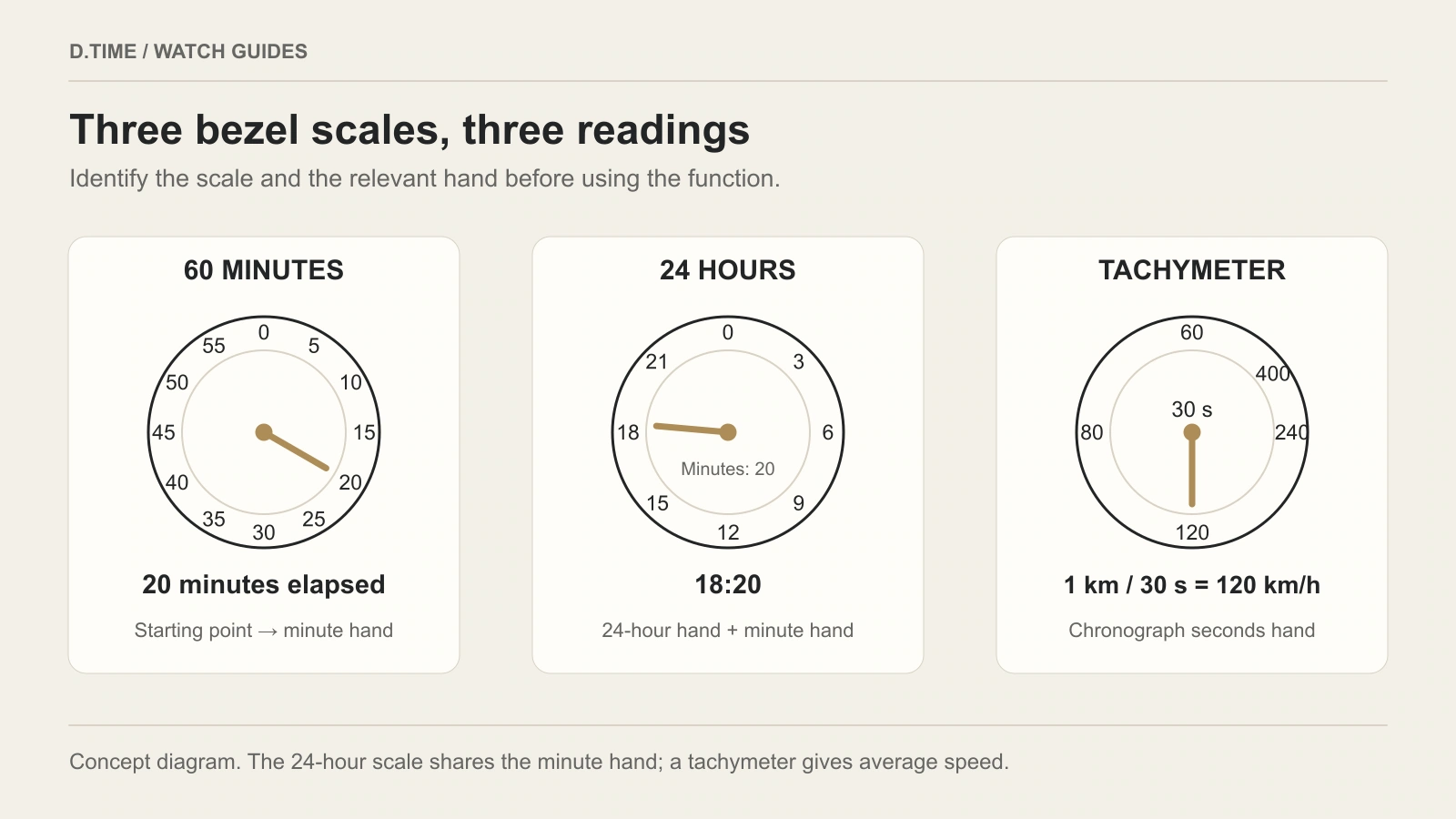
Three scales around the dial serve three different readings. One kilometre covered in 30 seconds corresponds to an average speed of 120 km/h.
Understand the function before judging the details
We suggest this sequence:
- Identify a 60-minute, 24-hour or tachymetric scale, or the absence of one.
- Check whether the bezel is fixed, unidirectional or bidirectional.
- Find the corresponding hand and work through a simple example.
- Then assess grip, legibility, alignment and operation on the actual piece.
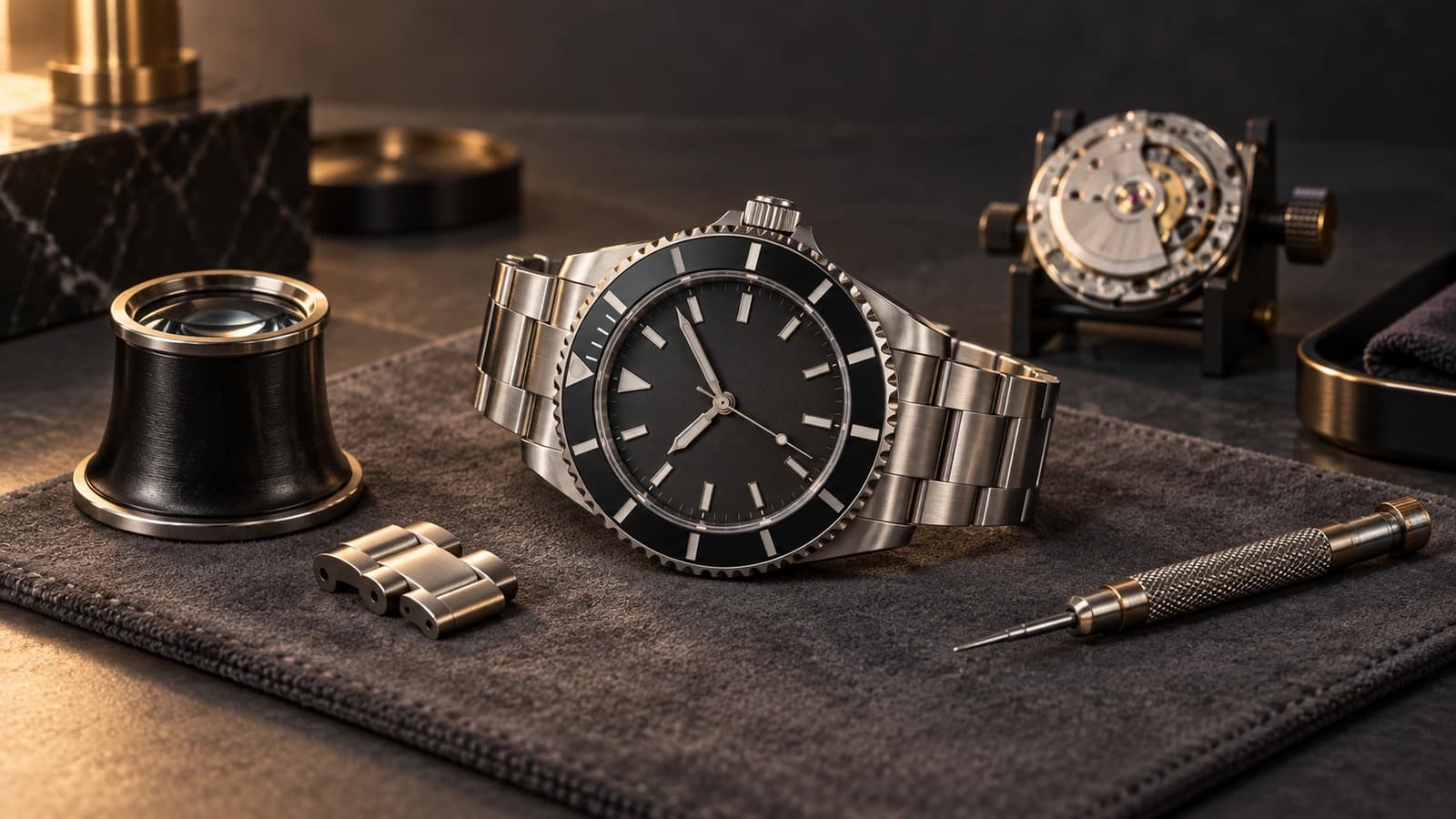
Click count, sound and material names are not sufficient evidence of complete quality. For a replica, verify the real mechanism: reproducing the bezel's numerals does not establish the authentic model's function.
Once the scale makes sense, the numbers around the dial become much easier to use. You can then decide which function belongs in your routine, or whether the visual appeal of a simpler bezel is what you value most.
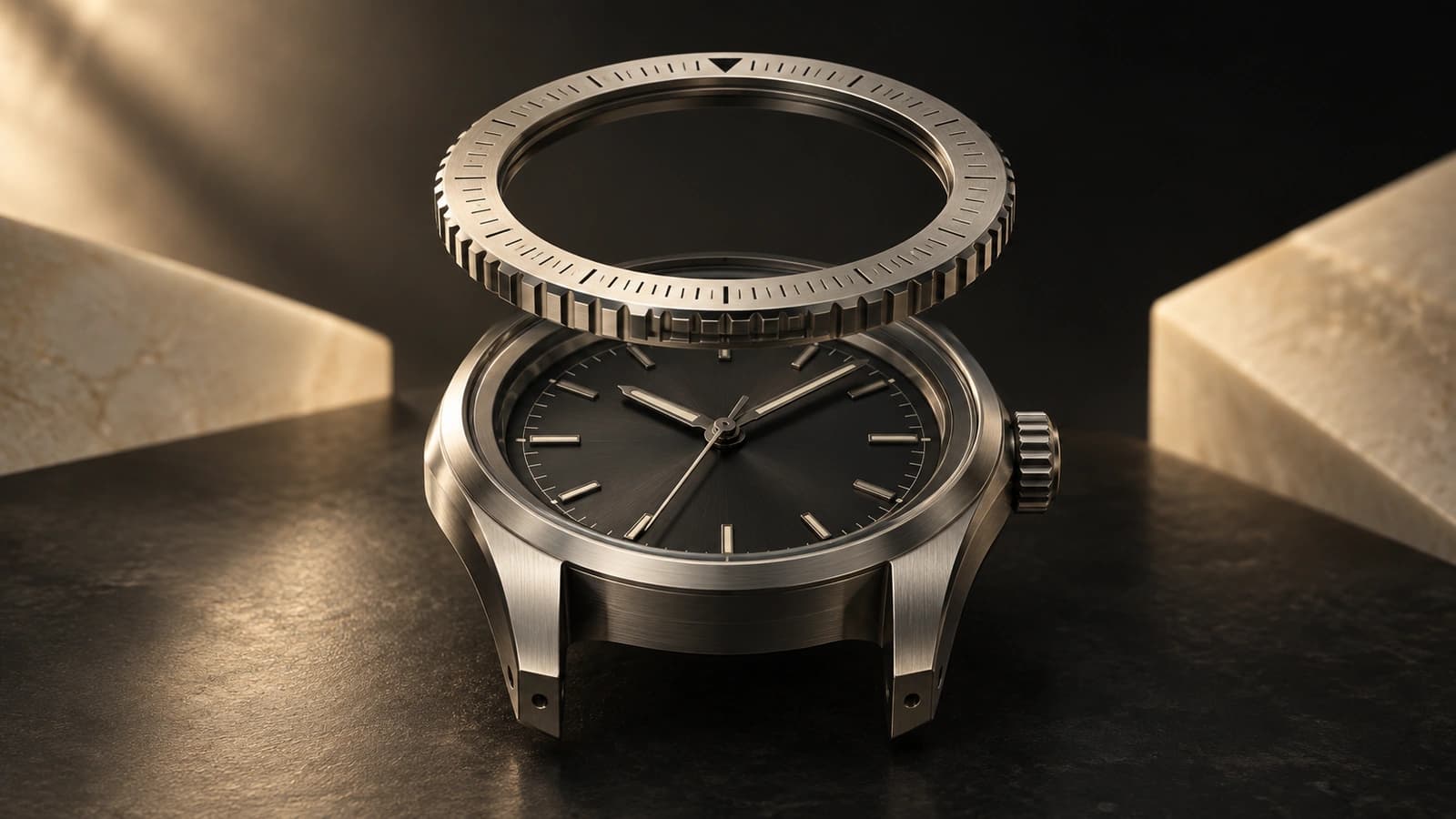
AI-created D.Time concept illustration highlighting the bezel; not a disassembly guide or actual product photograph.